Practice That Transforms Teams

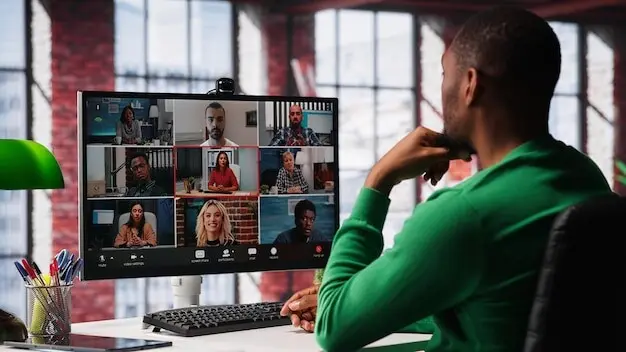
Today we dive into editable soft skills role-play scenarios for team workshops, showing you how to customize dialogues, stakes, and contexts so practice mirrors real challenges. You’ll get adaptable blueprints, facilitation cues, and feedback tools that turn awkward simulations into energizing, evidence-backed learning. Expect practical examples, printable scripts, and digital workflows you can remix in minutes, plus coaching tips for psychological safety. Stay to the end for a downloadable starter kit and share your own twists so we can expand this growing library together.

Blueprints for Adaptive Interactions

Build scenario templates that flex for different roles, seniorities, and industries without rewriting from scratch. Use variables for relationship history, urgency, risk, and power dynamics, then swap personas or channels to fit remote, hybrid, or on-site realities. Clear learning goals anchor edits, so customization amplifies impact instead of diluting intent.

Personas That Grow With Your Team

Craft layered backstories with motivations, constraints, and quirks that resonate across functions. Add toggles for influence level, stress triggers, and preferred channels, enabling quick difficulty scaling. Revisit personas quarterly, mapping them to recurring friction points your organization actually faces, ensuring every rehearsal feels startlingly relevant.

Context Dials You Can Spin

Define sliders for time pressure, stakes, and psychological safety, plus concrete modifiers like public versus private setting, email versus chat, and first meeting versus long partnership. Document suggested combinations, then encourage facilitators to remix them live, responding to energy, maturity, and emergent learning opportunities mid-session.

Outcomes Before Scripts

Start with observable behaviors like asking clarifying questions, summarizing agreements, acknowledging emotions, and naming assumptions. Align each edit with one or two behaviors, not many. This prevents scope creep, streamlines debriefs, and makes progress measurable without stifling improvisation or the human spontaneity that keeps practice alive.

Guiding the Room with Calm Authority

Safety Agreements Everyone Can Keep

Open with co-created guardrails: confidentiality by default, respect for opt-outs, assume positive intent, critique behaviors not people, and permission to call a time-out. Post them visibly, revisit mid-session, and reference them during debriefs so accountability feels shared, compassionate, and consistently practiced rather than policed.

Coaching While the Scene Unfolds

Open with co-created guardrails: confidentiality by default, respect for opt-outs, assume positive intent, critique behaviors not people, and permission to call a time-out. Post them visibly, revisit mid-session, and reference them during debriefs so accountability feels shared, compassionate, and consistently practiced rather than policed.

Debriefs That Change Tomorrow Morning

Open with co-created guardrails: confidentiality by default, respect for opt-outs, assume positive intent, critique behaviors not people, and permission to call a time-out. Post them visibly, revisit mid-session, and reference them during debriefs so accountability feels shared, compassionate, and consistently practiced rather than policed.

Measuring What Matters Without Killing the Magic

Track observable behaviors with simple rubrics and short reflections, not bloated scorecards. Pair pre- and post-practice self-ratings with peer observations to reveal deltas participants can feel. Keep instruments transparent and lightweight so feedback sustains momentum, preserves playfulness, and meaningfully connects practice to performance.

Designing for Every Voice

Ensure activities welcome diverse accents, energy levels, neurotypes, and cultural frames. Offer multiple participation modes—speaking, writing, drawing, or acting—so competence shines beyond extroversion. Provide content warnings, options to swap roles, and alternative scripts. Inclusive design multiplies courage, unlocks creativity, and keeps learning equitable, joyful, and sustainable.

Seamless Setup, Zero Drama

Publish a one-pager with links, device checks, accessibility notes, and quiet-room tips. Include Plan B instructions for dial-in or bandwidth drops. Run a five-minute tech rehearsal for facilitators, then assign a producer to watch chat, manage timing, and quietly squash gremlins before they spread.

Breakouts With Purpose

Predefine goals, roles, and time boxes, then seed each room with a mini-brief and artifacts. Rotate observers so every participant both performs and watches. Converge with crisp reporting templates that surface patterns fast, enabling whole-group synthesis without losing the texture and courage sparked in small rooms.

Asynchronous Experiments

Offer voice-note challenges, recorded role-plays, and annotated screenshots for teams across time zones. Provide rubrics and sample phrases so feedback travels with artifacts. Summarize insights in a shared repository, then spotlight creative remixes during live sessions to validate autonomy while knitting a cohesive, learning-centered culture.

A Lively Bank of Situations You Can Remix

Stock your workshop with editable seeds spanning tough feedback, misaligned expectations, stakeholder friction, sales discovery, escalations, and facilitation hiccups. Each seed includes goals, constraints, personas, and toggles. We’ll share a few favorites and how they’ve been remixed to fit new industries within minutes.

The Missed Expectation One-on-One

An engineer repeatedly ships late after verbal yeses. Variables include sprint pressure, unclear tickets, and cross-team dependencies. Practice curiosity-led diagnosis, shared language for commitments, and co-authored next steps. Rotate roles to explore manager blind spots and contributor stressors without cynicism, blame, or rushed, performative apologies.

Stakeholder Carousel

A product lead must reconcile marketing urgency, compliance risks, and engineering capacity. Participants cycle through rapid meetings, updating language per audience while preserving alignment. Focus on grounding agreements, summarizing tradeoffs, and resetting expectations before misfires cascade. Tune difficulty by adding surprise data or executive drive-bys.

From Friction to Partnership

Two teams resent handoffs and swap sarcasm on tickets. Build a joint pre-brief, run a short rehearsal, then co-create a shared definition of done. Capture phrases that de-escalate and prompts that clarify ownership. Debrief with service-level tweaks that stick beyond goodwill or heroics.

Kiraravopexifaridavo
Privacy Overview

This website uses cookies so that we can provide you with the best user experience possible. Cookie information is stored in your browser and performs functions such as recognising you when you return to our website and helping our team to understand which sections of the website you find most interesting and useful.